Farewell to high shipping costs - how honeycomb paper packaging can reduce your package weight by 30%

Farewell to high shipping costs: how honeycomb paper packaging can reduce your package weight by 30%

Every shipment lowers your profits. In today's e-commerce-dominated era, shipping costs have become a critical consideration for business operations. Especially for B2B buyers, when order volumes reach a certain scale, the weight of packaging materials directly affects shipping costs. Traditional packaging materials, such as foam, bubble columns, or heavy corrugated cardboard, are not only quite heavy but also occupy valuable warehouse space. Is there a solution that both protects products and significantly reduces packaging weight, thereby lowering transportation costs?
The answer is yes—honeycomb paper packaging is the key to solving this problem.
1. 30% weight reduction: where does it come from?
Honeycomb paper packaging achieves substantial weight reduction thanks to its biomimetic structure and efficient material utilization.
-
Hexagonal honeycomb structure: the lightweight master of nature.
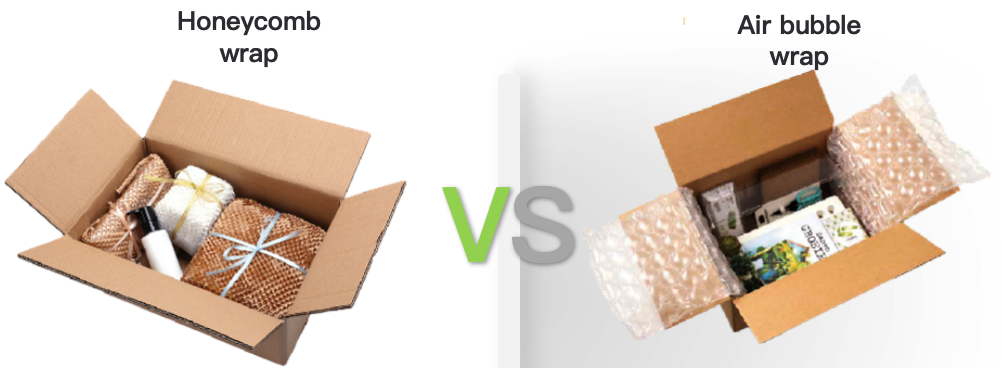
Honeycomb wap mimics the hexagonal structure of a beehive. This design has proven in nature to be an ideal solution for obtaining maximum structural strength with minimum material. This structure results in material usage per unit area that is far lower than traditional solid or wavy structures by about 16. Compared with five-ply or seven-ply corrugated boards, honeycomb cardboard achieves the same or better compression resistance while saving 30% to 50% of material. This means a substantial reduction in the packaging weight itself, directly “lightening” every single package.
-
The perfect balance of density and strength.
You may worry that weight reduction will compromise product protection. In reality, the flat compression strength of honeycomb panels can exceed that of ordinary corrugated boards by more than 20 times. Its unique structure can evenly disperse external impact, providing excellent cushioning and shock resistance, making it especially suitable for electronics, cosmetics, small appliances, and other goods with high shipping safety requirements.
2. Direct and indirect benefits of a 30% weight reduction
-
Direct drop in shipping costs
A 30% reduction in packaging weight means that, for the same amount of goods shipped, you will directly pay less for freight. For B2B businesses relying on road, air, or cross-border logistics, the savings add up substantially and directly improve your profit margin.
-
Release of warehousing space and efficiency gains
Honeycomb pack (such as cushioning pads) is typically foldable or rollable for storage, with a storage volume only 1/255 of traditional bubble wrap. This not only reduces your warehousing space but also lowers related storage management costs.
-
Environmental image and brand enhancement
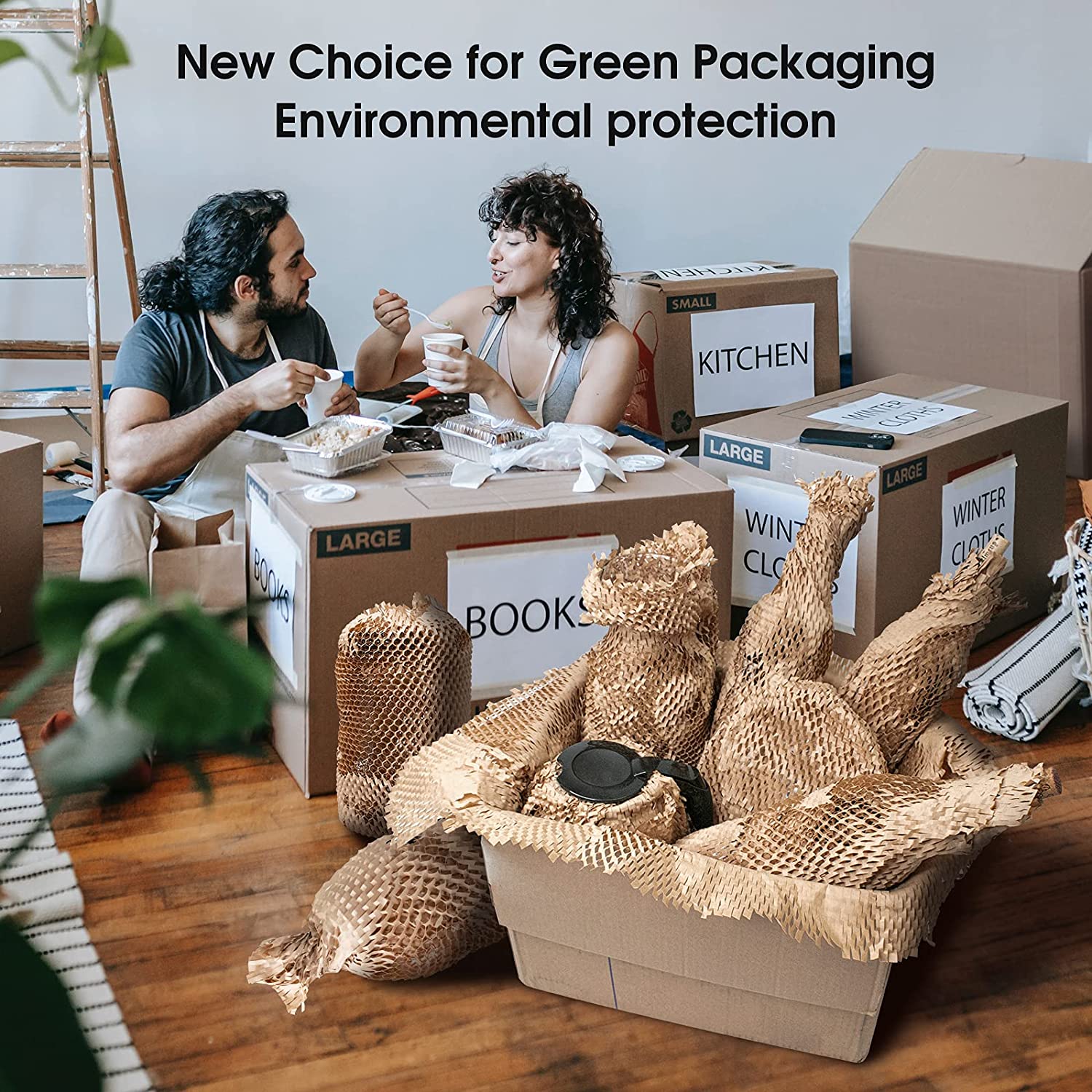
Weight reduction also means reduced resource consumption. Honeycomb paper is made from 100% kraft paper, easy to recycle and decompose, aligning with global green trends. Using eco-friendly packaging materials helps your brand establish a responsible image in the minds of B2B customers and end consumers, which itself is a form of brand value enhancement.
3. Real-world case studies: the tangible impact of weight reduction
Procter & Gamble’s practice: P&G leverages lightweight, paper-based eco-friendly materials in its e-commerce direct-packaging initiatives like “Little Green Treasure” and “Memory Honeycomb.” These measures not only reduce packaging weight but are estimated to save more than 15,000 tons of paper annually through their “Little Green Treasure” packaging.
4. How to integrate honeycomb packaging into your business
-
Assess your existing packaging processes: Review your current packaging materials and packing procedures to identify products with weight reduction and optimization potential.
-
Conduct sample testing: Obtain honeycomb paper envelopes, cushioning pads, and other samples, perform real-world packaging and shipping tests to verify protective performance and weight reduction.
-
Calculate total cost of ownership: Don’t focus only on the unit price of packaging materials. Conduct a total cost analysis that includes freight savings from weight reduction, improved warehousing efficiency, and potential brand value gains; you may find long-term economic benefits far exceed traditional packaging.
-
Implement progressively: Start with a single product line or specific shipping channel for a trial, collect data and feedback, and gradually scale once results prove advantageous.
Conclusion
Reducing shipping costs isn’t only about repeatedly bargaining with logistics providers. Sometimes a shift in packaging material innovation yields disproportionate gains. Honeycomb Hex wrap, with its unique structural advantages, offers a practical lightweight solution that helps your packages “travel light,” directly lowering shipping costs while delivering environmental benefits.
Reducing shipping costs isn’t only about repeatedly bargaining with logistics providers. Sometimes a shift in packaging material innovation yields disproportionate gains. Honeycomb Hex wrap, with its unique structural advantages, offers a practical lightweight solution that helps your packages “travel light,” directly lowering shipping costs while delivering environmental benefits.
It’s time to reexamine your packaging strategy. A single upgrade in packaging materials could be the next key step to boosting your business competitiveness.
If you’d like to learn more about how honeycomb packaging can cut costs and boost efficiency for your specific business, contact us for free samples and customized solutions.
just leave your email or phone number in the contact form so we can send you a free quote for our wide range of designs
Elevate Your Gift Packaging: The Ultimate Guide To Crinkle Paper Fillers
Is Honeycomb Paper as Good as Bubble Wrap? Let's Compare