Is honeycomb paper as good as bubble wrap?
Honeycomb Packing Paper vs. Bubble Wrap: Which Packaging Is More Suitable for Your Brand and Products?
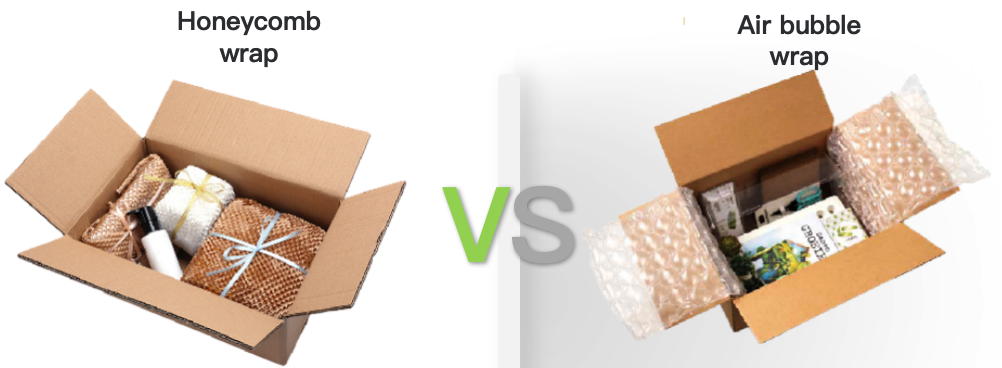
As a detail-oriented brand, packaging isn't just a protective barrier for products; it's also a crucial channel for conveying brand philosophy and enhancing user experience. Among various packaging materials, honeycomb paper and bubble wrap have attracted significant attention. Each has its advantages, but the right choice depends on your brand needs and product characteristics. Below, from a practical application perspective, we analyze the features of the two options in detail.
1. Honeycomb Paper: The First Choice for Eco-Friendly and Refined Experience
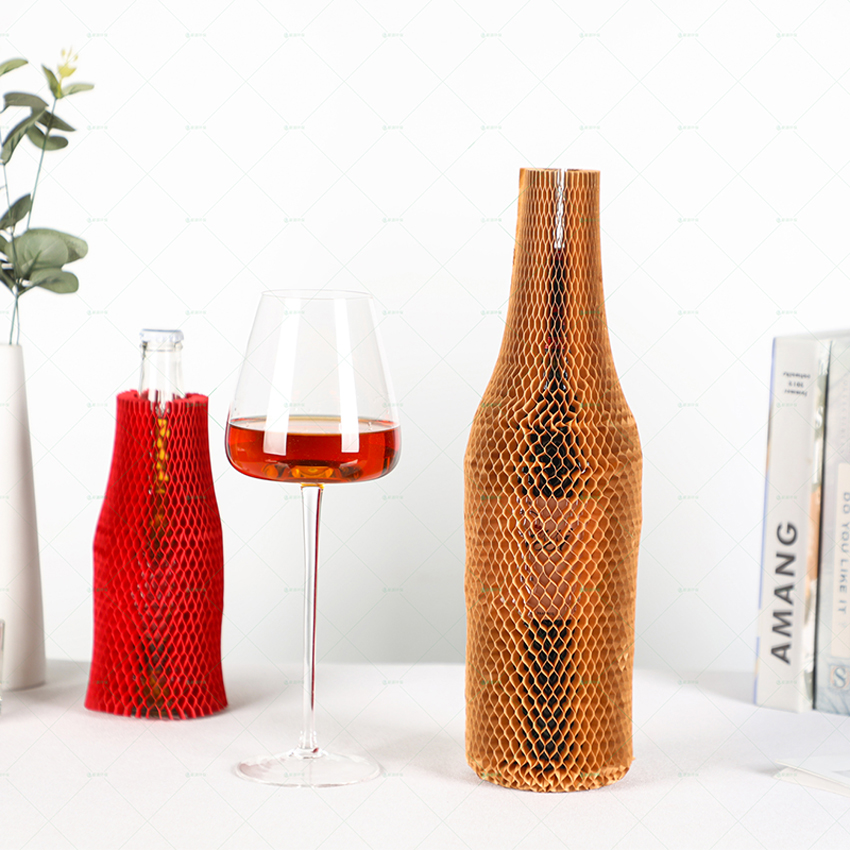
Honeycomb paper stands out for its unique three-dimensional structure and high environmental friendliness, making it a preferred option for many premium brands.
Key advantages:
1. Ready to use, no equipment required
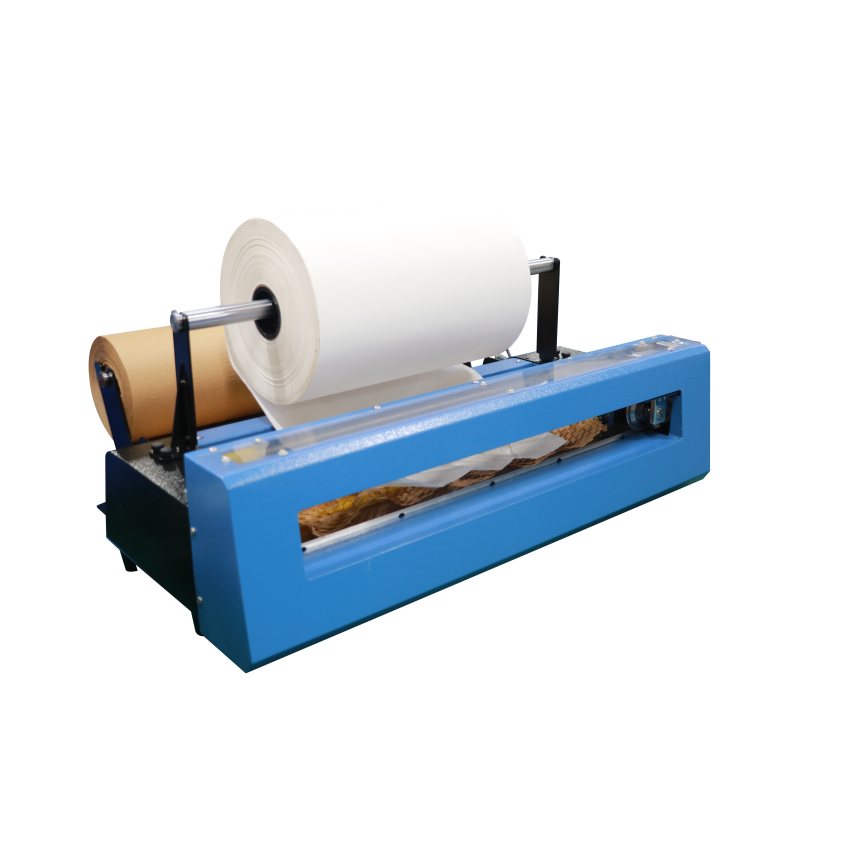
Honeycomb paper does not require inflation equipment. It's ready to use right out of the box, saving time and labor costs. This is especially convenient for small to medium-sized businesses or logistic cent warehouse or temporary packaging scenarios.
2. Excellent cushioning, comprehensive protection
The 3D honeycomb structure effectively disperses external forces and offers superior buffering. It provides thoughtful protection for electronic devices, glassware, and delicate crafts.
3. 100% biodegradable, eco-friendly
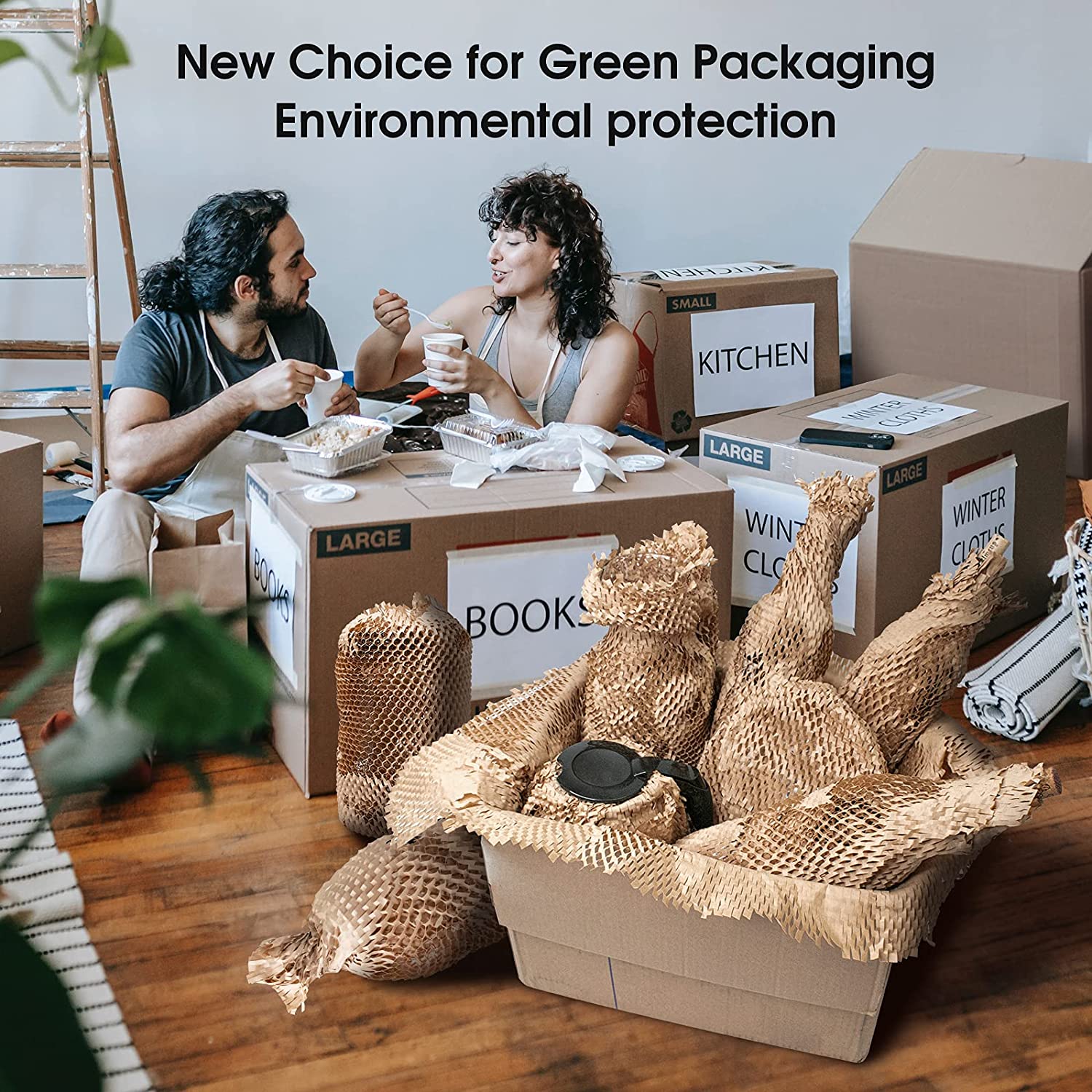
Made from kraft paper, honeycomb paper can fully decompose naturally, aligning with modern consumers' sustainability expectations and helping brands convey a green message.
Made from kraft paper, honeycomb paper can fully decompose naturally, aligning with modern consumers' sustainability expectations and helping brands convey a green message.
4. Self-locking design, no tape needed
After packing, the honeycomb cells interlock with one another, eliminating the need for additional tape. This simplifies the process and reduces tape-related environmental impact.
5. Enhances unboxing experience, elevates brand quality
The neat, elegant appearance of honeycomb paper adds a ceremonial touch to the unboxing process, indirectly boosting user goodwill and brand loyalty.
The neat, elegant appearance of honeycomb paper adds a ceremonial touch to the unboxing process, indirectly boosting user goodwill and brand loyalty.
Disadvantage:
1. Higher cost
Kraft material typically costs more than plastic. If budget is a concern, this should be weighed carefully. However, from a branding perspective, the investment may be well worth it.
Kraft material typically costs more than plastic. If budget is a concern, this should be weighed carefully. However, from a branding perspective, the investment may be well worth it.
2. Not waterproof or moisture-resistant
Honeycomb paper softens in damp environments, making it unsuitable for moisture-sensitive products unless paired with other moisture-control measures.
Honeycomb paper softens in damp environments, making it unsuitable for moisture-sensitive products unless paired with other moisture-control measures.
Air Bubble: An Economical, Practical, and Flexible Classic Solution
Bubble wrap, a traditional cushioning material, remain widely used due to their low cost and reliable protection.
Key advantages:
1. Strong cushioning and shock absorption
The sealed air bubble absorb impacts, providing good protection against typical logistics bouncing and drops.
1. Strong cushioning and shock absorption
The sealed air bubble absorb impacts, providing good protection against typical logistics bouncing and drops.
2. Good wrapping capability and adaptability
The pliable material can closely conform to product shapes, easily accommodating irregular items or multi-item bundles.
The pliable material can closely conform to product shapes, easily accommodating irregular items or multi-item bundles.
3.Light and somewhat water-resistant
Bubble wrap is very light and do not significantly increase shipping costs, with a degree of water resistance suitable for occasional moisture protection needs.
Bubble wrap is very light and do not significantly increase shipping costs, with a degree of water resistance suitable for occasional moisture protection needs.
4. Lower cost
Clear cost advantage, making it suitable for tight budgets or products with thinner profit margins.
Disadvantage:
1. Less environmentally friendly
Bubble wrap is plastic-based and not readily biodegradable, which may be a drawback for brands emphasizing sustainability.
1. Less environmentally friendly
Bubble wrap is plastic-based and not readily biodegradable, which may be a drawback for brands emphasizing sustainability.
2. Requires inflation equipment
Producing bubble wrap requires a inflation device; machine failures or power outages can directly impact shipping efficiency.
Producing bubble wrap requires a inflation device; machine failures or power outages can directly impact shipping efficiency.
3. Storage space consumption when inflated
Inflated bubble wrap take up more storage space, which can be inconvenient for merchants with limited warehousing.
Inflated bubble wrap take up more storage space, which can be inconvenient for merchants with limited warehousing.
How to choose? It all boils down to these factors:
Brand positioning: Is your brand premium?
1. If you value user experience and environmental image, choose honeycomb paper.
2. If cost control is the priority, bubble wrap is more suitable.
1. If you value user experience and environmental image, choose honeycomb paper.
2. If cost control is the priority, bubble wrap is more suitable.
Storage and handling conditions:
1. If space is limited or you want to avoid relying on inflation equipment, honeycomb paper is preferable.
2. If you already have inflation equipment and ample space, bubble mailers are fine.
1. If space is limited or you want to avoid relying on inflation equipment, honeycomb paper is preferable.
2. If you already have inflation equipment and ample space, bubble mailers are fine.
Shipping frequency and scale:
- For high-frequency, large-volume shipments with high efficiency requirements, the inflation process of bubble mailers can become a bottleneck, honeycomb paper offers more flexible, on-demand use.
- For high-frequency, large-volume shipments with high efficiency requirements, the inflation process of bubble mailers can become a bottleneck, honeycomb paper offers more flexible, on-demand use.
There is no absolute "better"—only what’s more suitable
Honeycomb paper excels in environmental friendliness, convenience, and a premium feel, making it ideal for brands that emphasize image and user experience. Bubble mailers offer lower cost, water resistance, and strong adaptability, which are advantageous for cost control or basic moisture protection scenarios.
Honeycomb paper excels in environmental friendliness, convenience, and a premium feel, making it ideal for brands that emphasize image and user experience. Bubble mailers offer lower cost, water resistance, and strong adaptability, which are advantageous for cost control or basic moisture protection scenarios.
Today, where packaging acts as a "silent salesperson", we hope every brand can find the packaging that best matches - protecting the product while conveying the brand warmth.
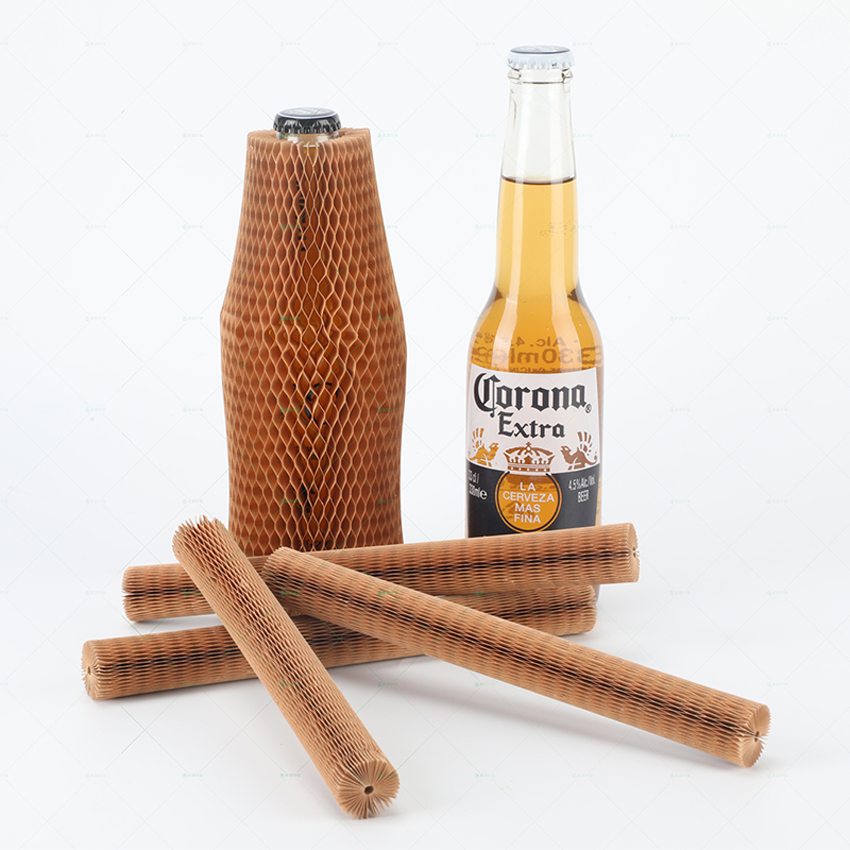
The Honeycomb Paper Sleeve: A Simple and Sustainable Packaging Solution