The Science Behind Expanding Foam Wrap: How It Works
Chemical Foaming Mechanism
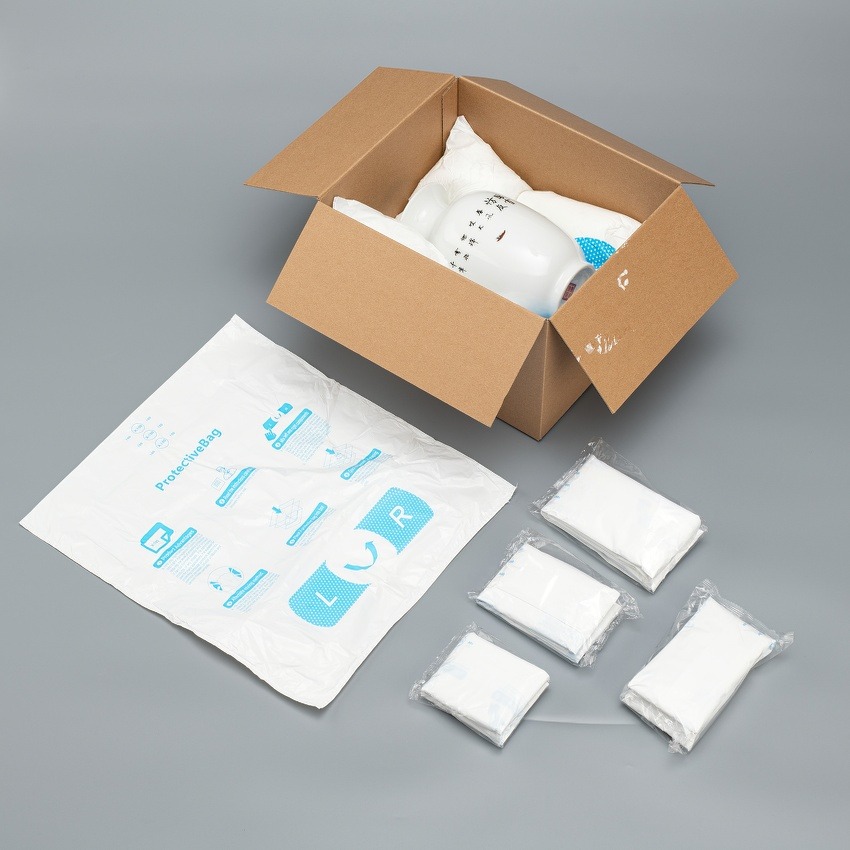
The product uses independently separated A and B liquids (typically a polyurethane prepolymer and a catalyst/foaming agent). By pressing or tapping to break the barrier, the liquids mix and trigger a chemical reaction, releasing a large amount of gas (such as CO2) instantly. The material expands and forms a closed-cell foam protective layer within 3–5 seconds. You can refer to instapak foam packaging.
- The Expanding Foram Packaging has no external equipment required: relies on the chemical reaction proceeding spontaneously, with no power or specialized instruments needed.
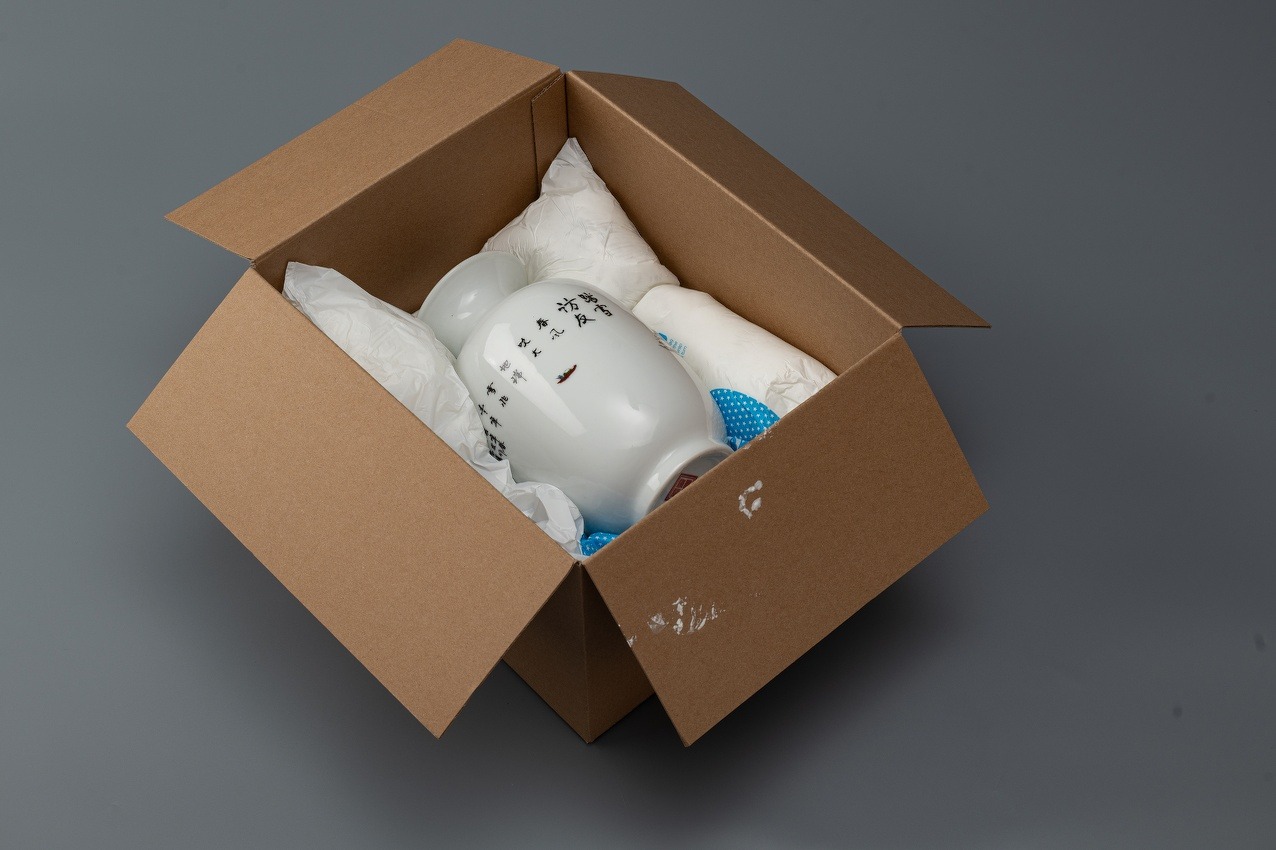
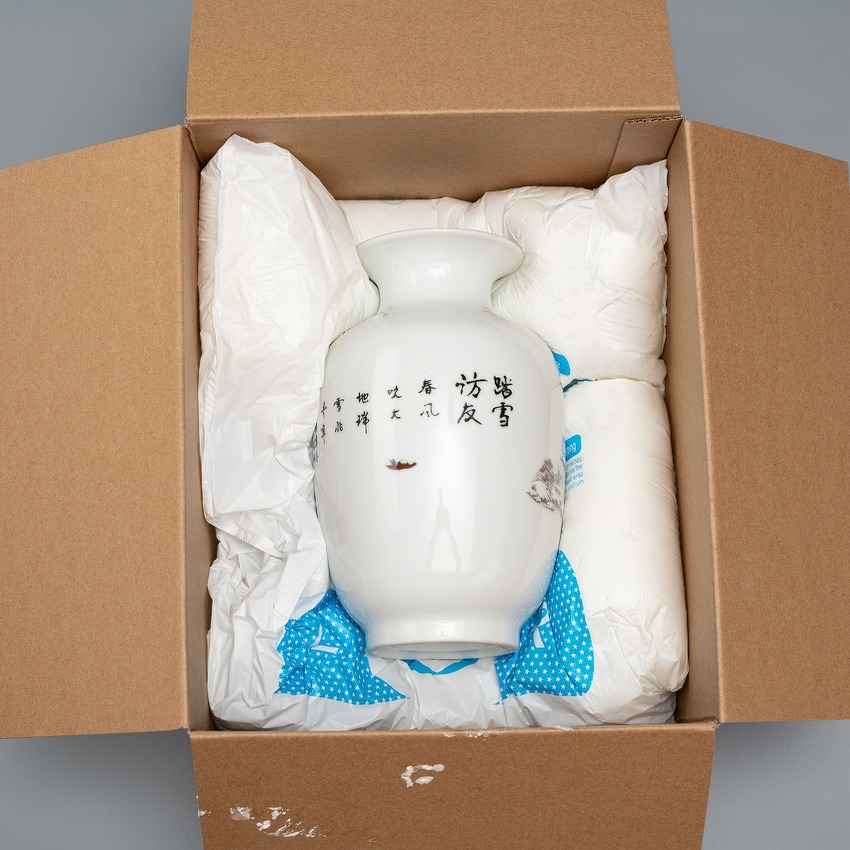
- Rapid setting: after foam expansion, it closely conforms to the item's contour, providing customized cushioning protection.
Materials and Environmental Considerations
- Main materials are biodegradable EVA or modified PE; some newer products use bio-based polyurethane to reduce the carbon footprint.
- Compared with traditional plastic foams (e.g., EPS), some products have obtained recyclability certifications, but disposal methods (such as industrial composting) must be clearly labeled.
Core advantages and market positioning
Ease of use
- Ready to use on the spot: operators do not require training; after activation by pressing, they can wrap the item directly, significantly shortening packaging time (traditional foams require molds and injection molding, taking hours).
- Storage cost optimization: the unfoamed state occupies only 1/5 to 1/10 of the expanded foam, saving over 80% of storage and logistics space.
Protection performance
- Foam density is adjustable (20–80 kg/m³), with impact resistance exceeding 50 kg, suitable for high-value, fragile items such as precision instruments and medical devices.
- Closed-cell structure provides moisture resistance and anti-static properties, protecting electronics from environmental damage.
Economic benefits
- No mold costs: traditional foam packaging requires custom molds (one-time costs ranging from thousands to tens of thousands), whereas hand-foamed bags directly fit arbitrary shapes.
- Waste reduction: on-demand usage avoids the over-cutting waste associated with traditional packing materials (e.g., bubble wrap, poly foam) by about 25%.
Applications and case studies
- E-commerce logistics | Glassware, ceramic handicrafts | Reduces shipping damage rate by >60%
- Precision manufacturing | Optical lenses, electronic sensors | Replaces custom foam, cost reduction ~40%
- Medical cold chain | Vaccine vials, diagnostic reagents | Maintains flexibility at -40°C, protects against shocks and moisture
- Circular economy | Combines biodegradable materials (e.g., PVA) | Some products dissolve in hot water for recycling
Industry compliance suggestions
If your product involves export or environmental certification, pay attention to:
- Testing standards: Refer to QB/T 5584-2021 "Plastic Cushioning Film" for puncture resistance, compression tests, etc., and obtain CMA/CNAS qualification reports.
- Environmental certifications: Biodegradability: ISO 14855 standard (biodegradation rate ≥90% within 180 days).
- Non-toxicity: Ensure foaming residues comply with FDA/EC 1935 for food-contact materials.
Conclusion
Your product fully meets the definition of a “hand-foamed bag.” Its technical principle (two-liquid pressed foaming), performance advantages (instant forming, high adaptability), and environmental potential align with the industry innovation directions identified in search results. To further enhance green competitiveness, consider expanding bio-based material applications and recycling schemes (e.g., hot-water soluble technologies).
Top 5 Industries That Rely on Expanding Foam Packaging
Expanding Foam Bags: A Game Changer for Shipping Fragile Items